Some final thoughts (for now) on GPS. In talking about how GPS evolved from a Future technology at our Send-a-fax-from-the-beach party to one underlying all sorts of things today, an interesting correlation came to light: Each of Alan’s cars has had a different GPS implementation.
For completeness, Alan’s first car, a 1982 Dodge Aires (K-car) had no GPS, requiring paper maps for directions (in particular in 1983 when Alan did cross the country, from MIT to Apple). Priscilla’s Honda Accord from the same era had the same limitation.
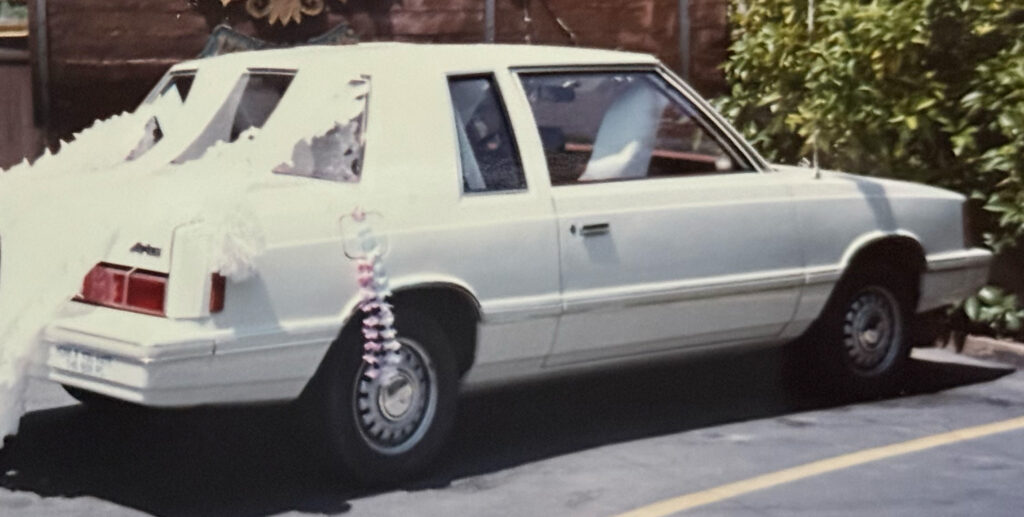
Alan and Priscilla’s second car, the 1990 Plymouth Laser, was the one driving around at the party, with the home-brew, PowerBook-based navigation system. Paper maps were still needed anywhere that wasn’t within a few blocks of the house.
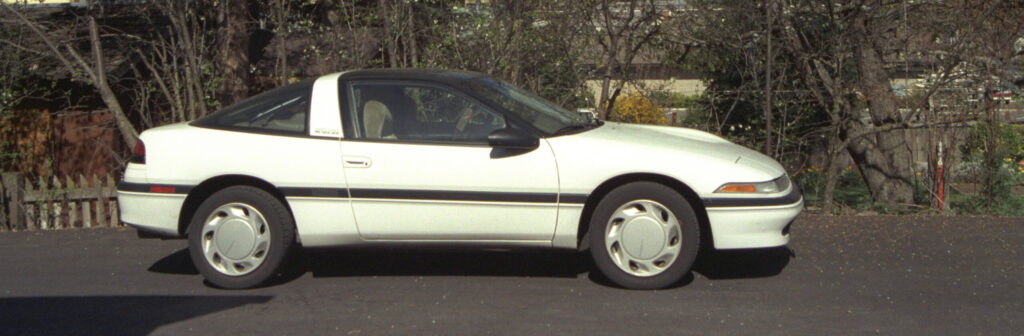
After moving to Ashland, the Laser was traded in for a 1997 Chrysler Sebring. The GPS of choice was the handheld one also used for geocaching, which still didn’t come with electronic maps. The Sebring did last long enough to be able to use the first iPhone for navigating around, even if it wasn’t technically through GPS.
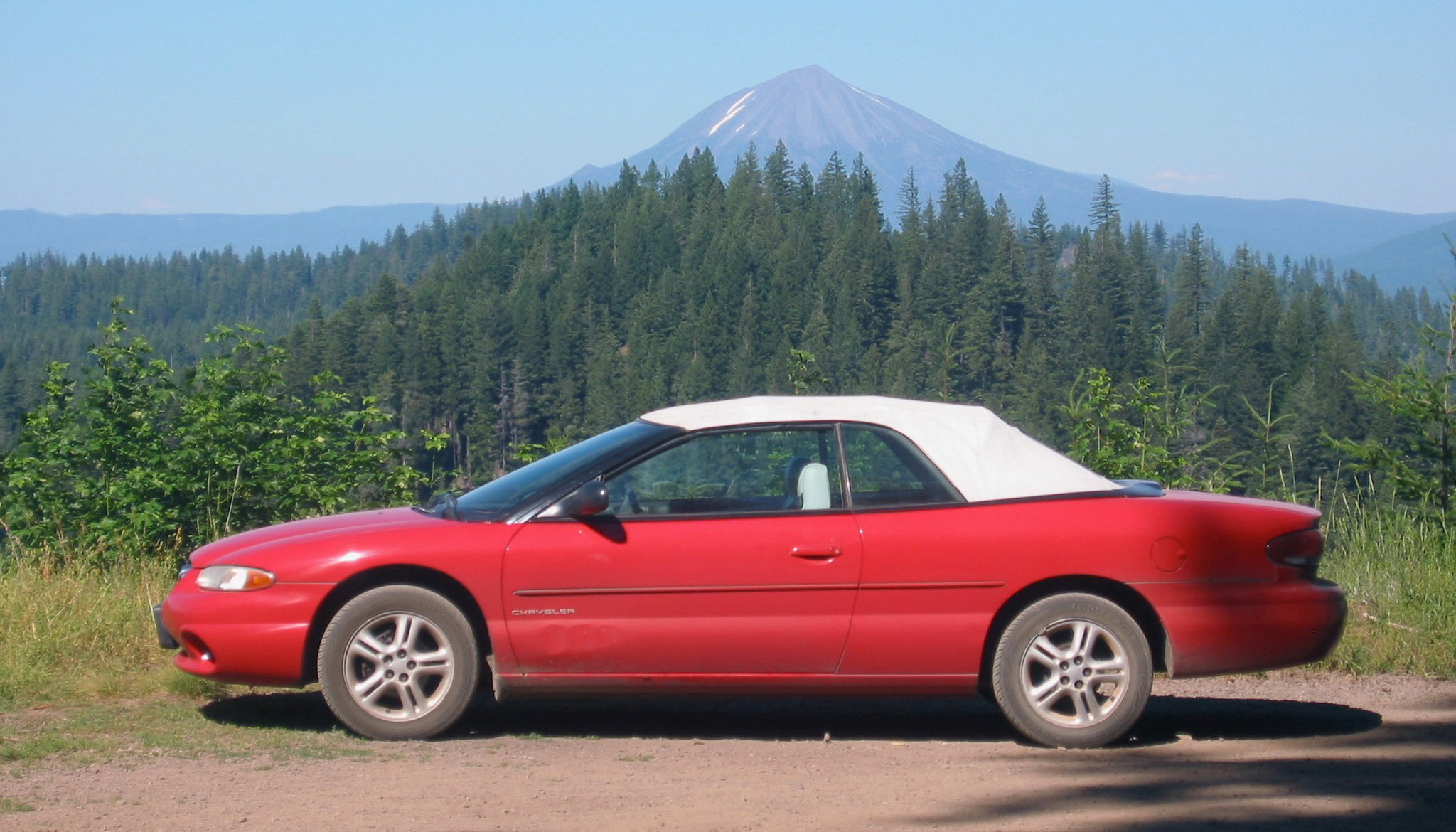
Alan and Priscilla’s 2010 Ford Fusion Hybrid saw the debut of a full-fledged GPS navigation system using the iPhone 3G, followed by nearly a dozen other iPhones after that.
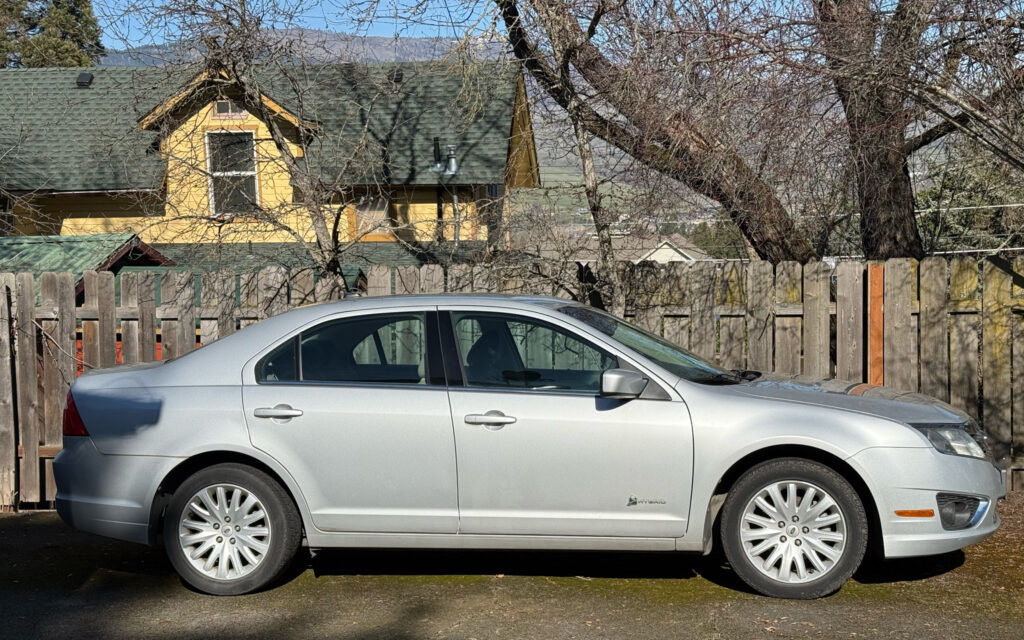
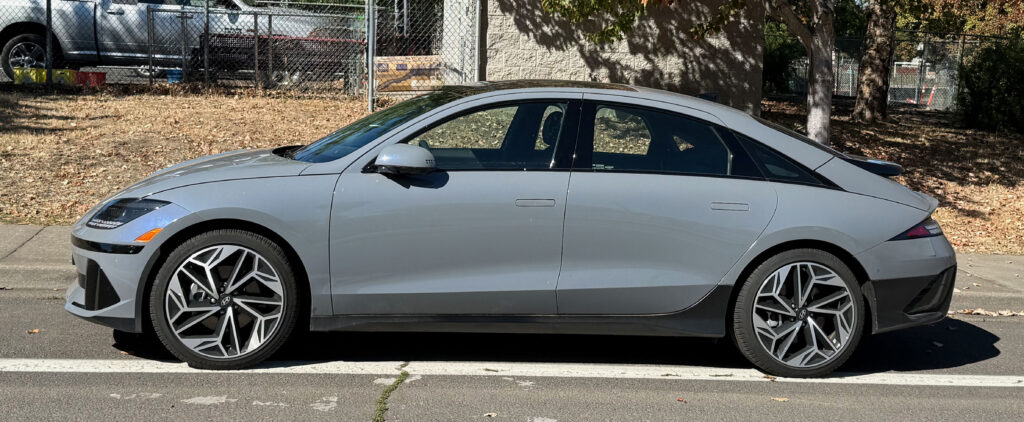
And when we upgraded from the hybrid to a full EV Hyundai Ioniq 6 in 2025, we also got our first in-dash GPS navigation system. We could also keep using our iPhones, either directly or through CarPlay. So our current car has not one, but usually two and sometimes as many as four GPS’s (Priscilla’s Apple Watch has built-in GPS as well as her phone).
And that’s more than enough for now. Moving on…