
In another example of “Predict, create, distribute (repeat),” Apple did it again in 2010 with the iPad.
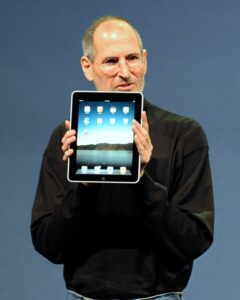
Very similarly to the iPhone, Steve Jobs introduced the iPad in a Macworld San Francisco January keynote. January 27, 2010 to be precise. Although perhaps not quite the blockbuster of the iPhone (nothing has been), the iPad intro was still classic Steve Jobs showmanship. And Apple Future distribution.
The iPhone has become omnipresent, with 3 billion having been sold to date. By that standard, the iPad’s 800 million or so seems a bit paltry. But in both cases, Apple, as usual showed the world the Future, and the world took notice. Whether it bought from Apple or not.
And what about Open Door Networks’ 100+ iPhone Envi apps? Unlike the original iPhone, the iPad ran apps the day it shipped (April 3, 2010), and everyone knew it would. So, as with the original iPhone App Store in 2008, Alan and his partners got back together to figure out what app(s) to work on for the iPad.
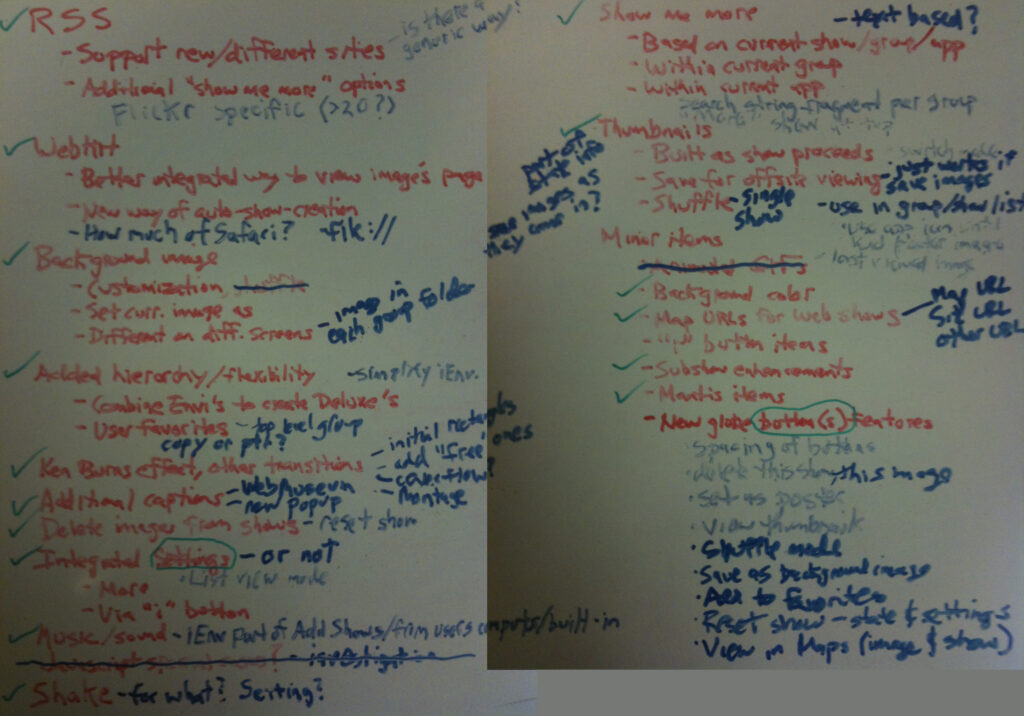
The iPhone’s 100+ Envi apps turned out to be a sort of natural selection process for apps in general. Their wide variety gave Open Door a whole bunch of data on what sold and what didn’t. Combining that data with the iPad’s much bigger screen clearly pointed to one category: Art.
The Envi apps had been the result of taking Open Door’s first iPhone app, iEnvision, splitting it into pieces and duplicating those pieces. The company’s Art Authority for iPad app put all the art pieces back together with a user interface, and higher resolution images, worthy of the device’s larger screen.
The Open Door partners had also learned, through the iPhone App Store, the importance of having an app in the store the first day possible. And boy were they right!
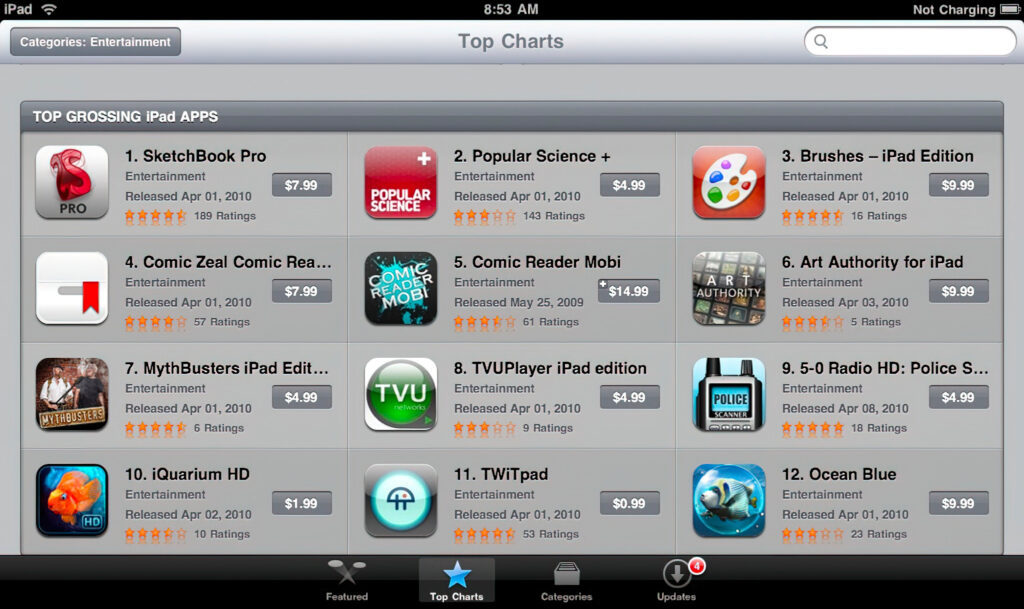
So right (and with such an on-target product) that in just a couple years Art Authority for iPad (along with iPhone and Mac versions) would eclipse all the Envi apps combined, which were eventually phased out (thus answering the “What happened?” question at the end of the Envi app post).
A few years later, the Art Authority app would become the Art Authority company. But more about that in the Future.
Interesting footnote: Apple actually started work on the iPad before the iPhone. That work helped Apple see that the technology could be even better applied to the smaller form factor of a phone, which then became a much higher priority.